


Blog
- By Admin
- 15 September, 2025
- Technology
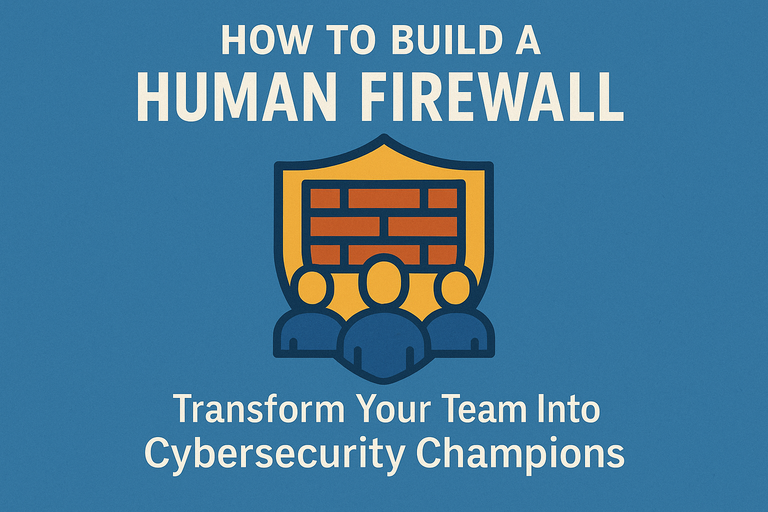
How to Build a Human Firewall: Transform Your Team Into Cybersecurity Champions
Even the most advanced cybersecurity technology can’t stop one careless click. In fact, studies consistently show that human error remains the leading cause of data breaches — often outweighing even the most sophisticated technical vulnerabilities.
For South Florida businesses — from law firms in Fort Lauderdale to healthcare providers in Miami and financial firms in Coral Gables — training employees to serve as the first line of defense is no longer optional. Building a “human firewall” means creating a culture where everyone understands, values, and participates in protecting digital assets.
Here’s how to empower your team to become true cybersecurity champions.
1. Shift the Mindset: Everyone Is Responsible for Security
Cybersecurity isn’t just the IT department’s job — it’s everyone’s responsibility. Every email opened, every file shared, and every login made contributes to the company’s overall security posture.
As discussed in Cybersecurity Starts with Your Team, the foundation of a secure organization begins with awareness. When employees understand that their individual actions protect the organization’s clients, finances, and reputation, they begin to view cybersecurity not as a checklist — but as part of their professional integrity.
Encourage leadership to reinforce this mindset regularly. Whether through company meetings or internal communications, the message should be consistent: cybersecurity is part of everyone’s job description.
2. Make Cybersecurity Training Engaging and Continuous
The days of one-and-done annual security training are over. To build lasting awareness, organizations must implement continuous, interactive education that keeps employees engaged throughout the year.
One proven approach is gamified training — where employees earn badges, points, or recognition for completing modules and identifying simulated threats. This approach, as highlighted in Gamifying Cybersecurity Training for South Florida Office Teams, transforms learning into an enjoyable, competitive experience that boosts participation and retention.
Complement gamification with microlearning — short, 5–10 minute lessons that focus on specific, real-world scenarios such as identifying phishing emails or securing mobile devices. Frequent reinforcement helps keep cybersecurity top of mind amid busy workdays.
3. Simulate Real-World Scenarios
Theory is valuable, but practice builds reflexes. Incorporating phishing simulations and incident response drills helps employees apply what they’ve learned in realistic environments — and develop the confidence to act appropriately when threats arise.
Simulations should test for multiple attack types: phishing, smishing (SMS-based attacks), and even social engineering calls. Over time, these exercises improve not just awareness, but also reaction speed and decision-making during actual security events.
As noted in Debunking Myths About AI in Cybersecurity, modern attackers leverage artificial intelligence to craft highly convincing phishing campaigns. Realistic simulations keep your team prepared for these evolving tactics.
4. Recognize and Reward Good Security Behavior
Positive reinforcement is one of the most effective tools for cultural change. Recognizing employees who demonstrate good cybersecurity practices helps normalize and encourage safe behavior.
Consider implementing:
- A “Security Champion of the Month” recognition program
- Small rewards for employees who report phishing attempts
- Team shout-outs for departments with perfect training completion rates
Acknowledging effort builds motivation and signals that security is both valued and celebrated. The goal is to shift the company culture from compliance-driven to engagement-driven — where people take pride in doing their part.
5. Involve Leadership to Reinforce the Message
Culture flows from the top down. When executives actively participate in cybersecurity initiatives — attending trainings, completing simulations, or even sharing personal experiences with data security — it reinforces that cybersecurity is a strategic business priority, not just a technical concern.
As outlined in How Effectively Managing Risk Bolsters Cyber Defenses, organizations that embed cybersecurity into leadership practices tend to achieve stronger risk awareness across departments. When leaders walk the talk, it builds credibility and encourages everyone to follow suit.
Leadership should also communicate progress — such as reduced phishing rates or improved response times — to highlight how collective effort drives measurable success.
6. Monitor, Measure, and Improve
Cybersecurity culture is never “done.” It must be measured, refined, and improved continuously. Tracking engagement and performance data helps ensure your human firewall remains strong.
Key metrics to monitor include:
- Training participation rates
- Phishing simulation click-through rates
- Incident reporting frequency
- Response times to potential threats
Analyze this data regularly to identify gaps and tailor your training strategy accordingly. Use the insights to celebrate progress — and to continuously raise the bar for awareness and accountability.
The Takeaway
Technology can only go so far — true cybersecurity resilience starts with people.
By fostering awareness, rewarding good habits, and involving leadership, your organization can transform employees from potential vulnerabilities into powerful defenders. When your team acts as a unified human firewall, you gain not only stronger protection but also a reputation for diligence, reliability, and trustworthiness that clients value deeply.
At Ulltium Consulting, we help South Florida businesses create effective cybersecurity awareness programs, design engaging employee training, and build cultures that keep both data and reputations secure.
Search
Resent Post
-
 16 February, 2026
Downtime Is Predictable. Recovery Should Be Too.
-
 16 February, 2026
The Hidden Risks of DIY AI Implementation
-
 16 February, 2026
Why an IT Risk Assessment Is No Longer Optional
-
 28 September, 2025
How to Use Blockchain to Secure Legal and Financial Records
-
 25 September, 2025
How to Make Your IT Infrastructure Both Sustainable and Secure