


Blog
- By Admin
- 13 September, 2025
- Technology
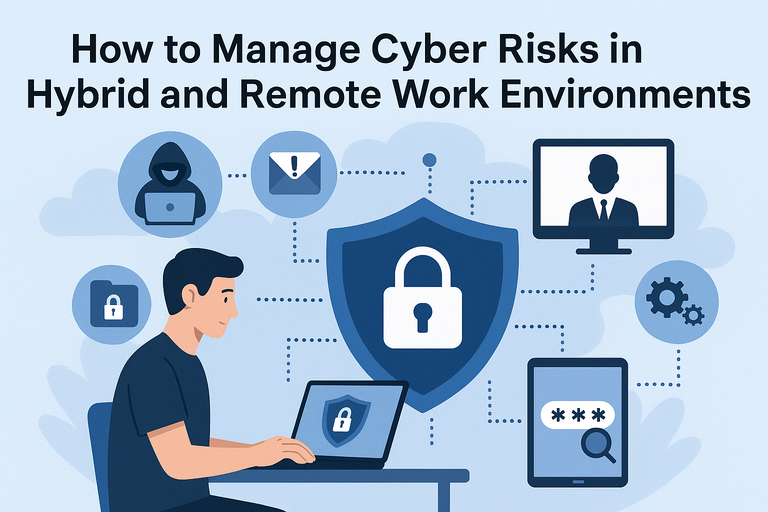
How to Manage Cyber Risks in Hybrid and Remote Work Environments
The way we work has changed — permanently. Remote and hybrid setups are now standard for many South Florida businesses, offering flexibility, lower overhead, and access to a wider talent pool. But with these advantages comes a serious challenge: managing cybersecurity across a distributed workforce.
As employees log in from homes, co-working spaces, airports, and coffee shops, your organization’s digital perimeter is constantly shifting. Without robust controls, hybrid work can expose your business to phishing, ransomware, and data loss — risks that threaten both productivity and reputation.
Here’s how to secure your hybrid workforce without sacrificing agility.
1. Identify New Risks in the Hybrid Landscape
When work moves beyond the office, so does your attack surface. Every personal laptop, smartphone, or unsecured Wi-Fi hotspot introduces new vulnerabilities.
Our article Securing Hybrid Work: Cybersecurity Tips for South Florida SMBs explains how criminals exploit weak passwords, outdated routers, and unpatched devices to infiltrate company networks.
To get ahead of these risks:
- Map out where employees are connecting from and what devices they’re using.
- Determine whether company data is stored locally or in the cloud.
- Assess which collaboration tools may lack proper encryption or access controls.
Awareness of these vulnerabilities is the first step toward mitigating them.
2. Strengthen Endpoint Security
Every endpoint is a doorway into your systems. The more doors you have, the more locks you need.
Ensure that all company-approved and personal devices used for work:
- Run updated antivirus and anti-malware tools.
- Use firewalls and disk encryption.
- Are enrolled in centralized endpoint management so IT can enforce security updates remotely.
Also, mandate multi-factor authentication (MFA) for all critical applications and cloud services. MFA alone can block the majority of credential-theft attempts — one of the most common attack methods in hybrid environments.
3. Create and Enforce a BYOD (Bring Your Own Device) Policy
Convenience shouldn’t come at the cost of security. When employees use personal devices, IT loses visibility and control.
A clear, documented BYOD policy protects both the company and the employee. It should define acceptable use, required security software, and rules for data storage, backup, and remote wiping in case a device is lost.
As discussed in Avoiding BYOD Stumbling Blocks, unmanaged devices can quickly unravel your cybersecurity framework. Similarly, Employee Devices Bring Added Security Concerns emphasizes that awareness is as important as policy. Employees must understand why these rules exist — and how following them keeps everyone safe.
4. Secure Remote Connections and Cloud Access
Most hybrid teams rely on cloud applications and shared platforms, making secure remote access essential.
Encourage employees to connect via Virtual Private Networks (VPNs) to encrypt their data traffic. Review your cloud configuration and sharing permissions regularly — misconfigurations are a leading cause of breaches.
Apply role-based access controls (RBAC) and least-privilege principles, ensuring employees only access data relevant to their roles.
If your business is upgrading or expanding cloud operations, Cloud Migration on a Budget: Solutions for West Palm Beach Startups provides actionable insights on modernizing infrastructure securely while optimizing costs.
5. Build a Culture of Cyber Awareness
Technology creates the framework — but people provide the protection.
Regular, engaging cybersecurity training helps remote and hybrid employees stay alert to emerging threats. Simulate phishing attacks, conduct quick refresher quizzes, and celebrate milestones in security participation.
As detailed in Gamifying Cybersecurity Training for South Florida Office Teams, gamification turns routine education into active learning — reinforcing habits that prevent costly mistakes.
When teams understand why cybersecurity matters, vigilance becomes second nature.
6. Monitor, Audit, and Evolve Your Security Strategy
Hybrid work environments are dynamic, and so are the threats targeting them. Continuous improvement is key.
Adopt security information and event management (SIEM) tools or managed detection services that monitor user activity and network traffic in real time. Establish quarterly audits to review access logs, policies, and new technologies being deployed by remote teams.
Cybersecurity isn’t static — it’s a living system. Treat your security framework as a cycle of assessment, implementation, testing, and refinement. Businesses that review and adjust regularly remain far more resilient against evolving threats.
The Takeaway
Hybrid and remote work models offer flexibility and scalability, but they also blur the boundaries of traditional security. To thrive in this environment, South Florida businesses must adopt a proactive, layered approach — one that integrates technology, policy, and culture.
By securing endpoints, enforcing BYOD guidelines, safeguarding cloud connections, and fostering awareness across teams, your organization can embrace hybrid work confidently while maintaining the trust of clients and partners.
At Ulltium Consulting, we help businesses design and manage cybersecurity strategies that protect today’s workforce and prepare for tomorrow’s challenges.
Search
Resent Post
-
 16 February, 2026
Downtime Is Predictable. Recovery Should Be Too.
-
 16 February, 2026
The Hidden Risks of DIY AI Implementation
-
 16 February, 2026
Why an IT Risk Assessment Is No Longer Optional
-
 28 September, 2025
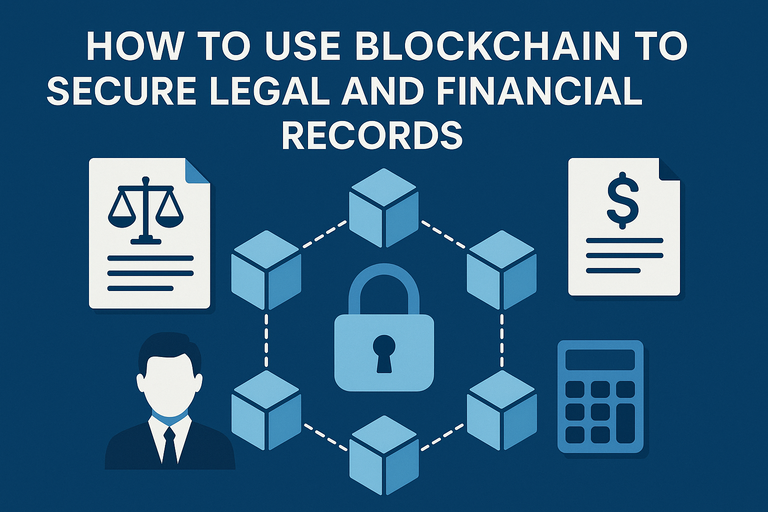
How to Use Blockchain to Secure Legal and Financial Records
-
 25 September, 2025
How to Make Your IT Infrastructure Both Sustainable and Secure