


Blog
- By Admin
- 20 September, 2025
- Technology
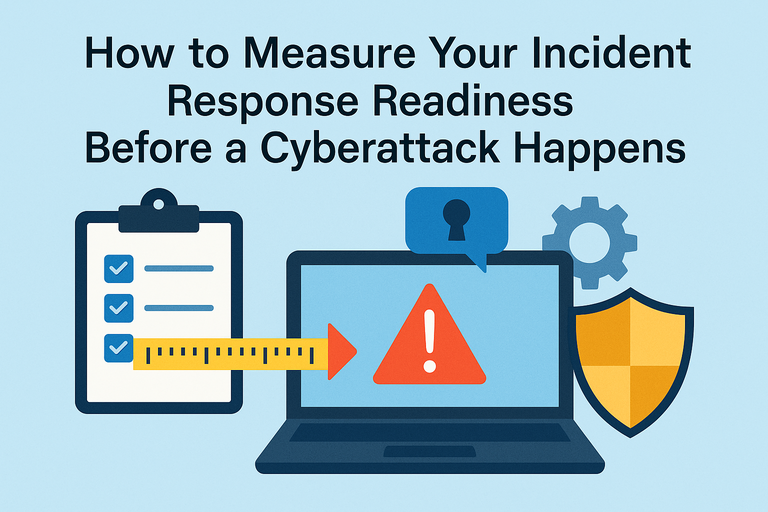
How to Measure Your Incident Response Readiness Before a Cyberattack Happens
When a cyberattack strikes, every second counts. The difference between a contained incident and a costly catastrophe often comes down to one thing: how ready your organization is to respond.
Unfortunately, many businesses don’t discover weaknesses in their incident response (IR) strategy until after the damage is done — when data is lost, operations are disrupted, and reputations are at risk.
By measuring readiness before an attack happens, your business can detect weaknesses early, strengthen response procedures, and ensure that everyone — from executives to IT staff — knows exactly what to do when it matters most.
Here’s how South Florida businesses can evaluate and enhance their readiness to respond to cyber incidents effectively.
1. Start with a Clear, Documented Incident Response Plan
A strong incident response strategy starts with a clear plan. It should define roles, responsibilities, and step-by-step actions for every stage of a cyber event — from detection to recovery.
As outlined in Don’t Make These Incident Response Planning Mistakes, many businesses fail during a crisis because of missing communication protocols or unclear ownership. Without documentation, confusion sets in and delays multiply.
To avoid that, ensure your plan covers:
- Who leads the response (and backups for key roles)
- How to escalate incidents internally and externally
- Communication channels and vendor contacts
- Containment, eradication, and recovery procedures
Keep the plan accessible, reviewed quarterly, and updated after any major system change or security event. A documented plan isn’t just a compliance requirement — it’s the blueprint for resilience.
2. Test Your Plan with Realistic Simulations
The only way to know if your plan works is to put it to the test. Conduct regular tabletop exercises (discussion-based simulations) and live incident drills that mirror real-world threats like ransomware, insider data leaks, or phishing-based breaches.
These simulations help reveal:
- How quickly teams can identify and contain incidents
- Whether communication channels function effectively under stress
- Where decision-making bottlenecks exist
In How to Beef Up Your Incident Response Plan, we explored how routine testing helps teams gain confidence and identify gaps before attackers do.
After each exercise, hold a post-mortem review to analyze what worked, what failed, and what needs updating. Testing transforms a plan from static documentation into a living operational framework.
3. Establish Measurable KPIs for Incident Response
Metrics make readiness measurable — and actionable. Define key performance indicators (KPIs) that help your team track improvements over time.
Some essential metrics include:
- Mean Time to Detect (MTTD): How quickly can your systems identify a threat?
- Mean Time to Respond (MTTR): How long does it take to contain and resolve it?
- Containment Effectiveness: How well did your controls limit the spread?
- Post-Incident Review Completion Rate: How consistently does your team document lessons learned?
In Bolster Cyber Defenses with Routine Security Tests, we emphasize that consistent testing and measurement create a continuous improvement cycle — allowing businesses to strengthen defenses before they’re needed in real time.
4. Evaluate Employee Awareness and Responsiveness
Technology alone can’t contain a breach — your people are the deciding factor. Conduct regular phishing simulations and incident awareness assessments to gauge how well employees can identify and report suspicious activity.
Track metrics like:
- Percentage of employees who report phishing attempts
- Average response time to report incidents
- Overall participation in security awareness training
Improvements in these numbers reflect stronger engagement and readiness. Over time, an alert, informed workforce becomes your frontline defense — the human element in your incident response strategy.
5. Assess Your Tools and Technology Stack
Even the best-trained teams can be limited by outdated tools. Evaluate whether your security technology stack supports fast detection, containment, and recovery.
Focus on these essentials:
- Endpoint Detection and Response (EDR) tools that identify threats in real time
- Security Information and Event Management (SIEM) systems for centralized visibility
- Automated alerting and incident ticketing systems for rapid communication
- Reliable backup and recovery tools that ensure data restoration without reinfection
Regular patching, integration testing, and tool audits help ensure that your systems are ready when an incident occurs — not just when it’s convenient.
6. Involve Leadership in Post-Test Reviews
Incident response readiness is not just an IT priority — it’s a business continuity issue. Executives must understand the operational, financial, and reputational impacts of cyber threats.
After every drill or actual event, conduct a leadership debrief that summarizes:
- The nature of the test or incident
- Key findings and time-to-response metrics
- Budgetary or resource recommendations
This alignment ensures cybersecurity remains visible at the strategic level — a critical factor in maintaining sustained investment and continuous improvement.
The Takeaway
You can’t predict when a cyberattack will occur — but you can control how ready you are to respond. Measuring readiness today prevents chaos tomorrow.
By documenting your plan, testing it regularly, defining clear KPIs, and involving leadership at every stage, your organization builds the agility and confidence needed to contain incidents quickly and minimize impact.
Cyber resilience isn’t about reacting faster — it’s about preparing smarter.
At Ulltium Consulting, we help South Florida businesses test, refine, and strengthen their cybersecurity response capabilities — so when the next threat appears, you’re ready to act, not react.
Search
Resent Post
-
 16 February, 2026
Downtime Is Predictable. Recovery Should Be Too.
-
 16 February, 2026
The Hidden Risks of DIY AI Implementation
-
 16 February, 2026
Why an IT Risk Assessment Is No Longer Optional
-
 28 September, 2025
How to Use Blockchain to Secure Legal and Financial Records
-
 25 September, 2025
How to Make Your IT Infrastructure Both Sustainable and Secure